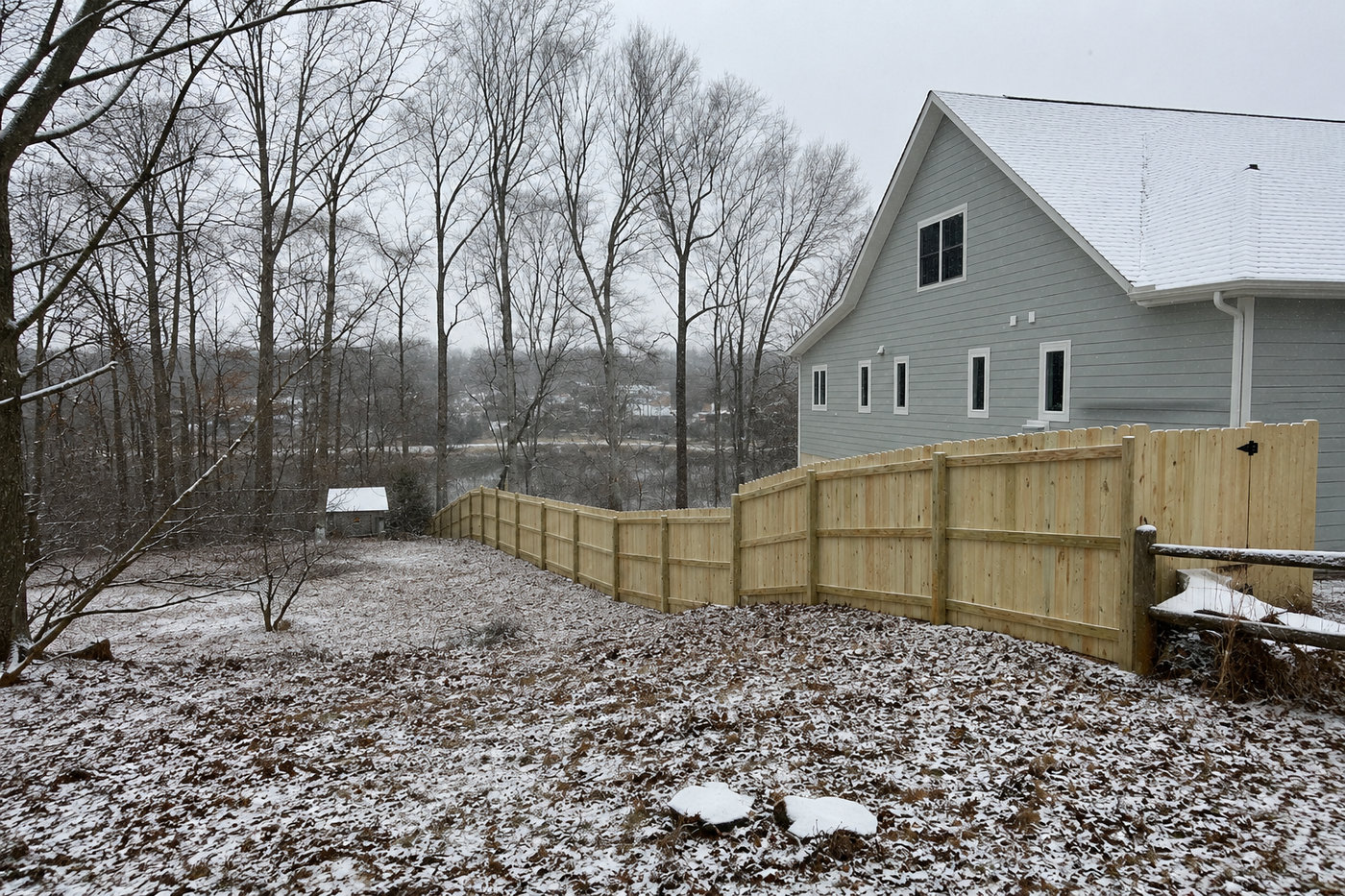
Large properties need more than a straight line of posts. In Augusta County VA, acreage often includes rolling ground, long driveways, wooded edges, livestock areas, creeks, and road frontage. A good fence plan saves money, reduces rework, and makes the finished fence easier to use every day.
Before calling for estimates, map the job clearly. The more specific the plan, the more accurate the quote and the smoother the installation.
Start with the purpose of the fence
A large property may need several fence types, not one continuous style. A front entrance near Staunton may call for a more finished look, while back acreage near Greenville or Churchville may need practical field fencing.
Common goals include:
- Keeping livestock in a defined area
- Creating privacy near the home
- Marking property lines
- Securing barns, equipment, or storage areas
- Guiding driveway access
- Separating pets from pasture or wooded sections
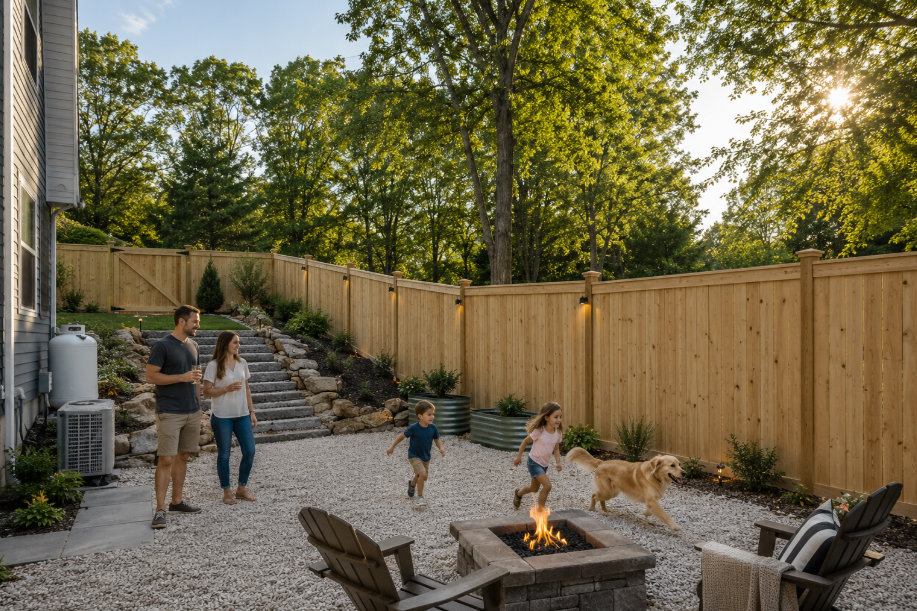
Walk the property and mark each zone. A privacy fence installer may be right for a pool, patio, or backyard section. Agricultural wire or board fencing may make more sense for open land. Mixing materials can keep the project useful without overbuilding every foot.
Map boundaries, slopes, gates, and access points
For large fence work, the layout matters as much as the material. Start with a recent survey or property plat if available. Do not guess at shared boundaries, especially along wooded lines or old farm roads.
Mark:
- Corner pins and property lines
- Existing fences that will stay or be removed
- Creeks, drainage areas, and low spots
- Steep slopes or rocky sections
- Driveways and farm lanes
- Gate locations
- Areas where equipment needs access
Gates deserve extra planning. A gate that is too narrow can become a daily frustration. Think about trucks, trailers, tractors, mowers, emergency access, and feed deliveries. On larger properties, it often helps to place gates where vehicles already travel instead of forcing a new route through soft ground.
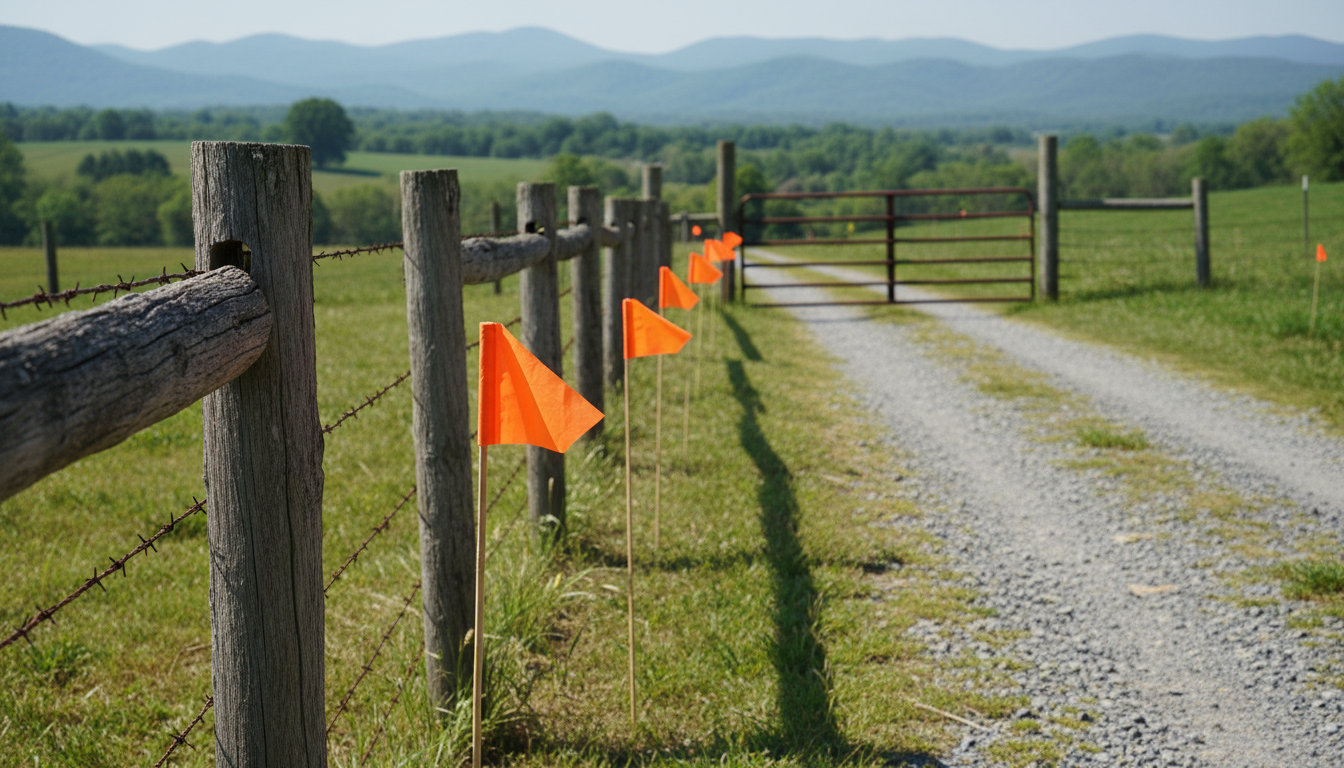
Stakes help confirm the route before posts go in.
Check utilities, county rules, and site conditions
Before digging, contact Virginia 811 to request utility marking. This step is simple, and it helps prevent damage to buried electric, gas, water, internet, or other service lines.
Fence rules can vary by location and property use. In and around Augusta County, check whether your project is affected by:
- Setbacks near roads or right-of-way areas
- Height limits for front yard or roadside fencing
- HOA or neighborhood rules
- Easements for utilities or shared access
- Agricultural or livestock requirements
- Pool barrier requirements, if fencing around a pool
For local questions, the Augusta County Community Development Department is a good place to start. If the fence ties into road access, near-road placement may need closer review.
Site conditions also affect installation. Rocky soil, tree roots, wet ground, and steep grades can change post depth, equipment needs, and labor time. A good fencing company will look at the ground, not just the number of feet.
Choose materials that match each part of the property
No single fence material is best for every large property. The right choice depends on use, budget, maintenance, and appearance.
| Fence type | Best use | Planning note |
| Board fence | Pastures, entrances, visible road frontage | Classic look, needs routine maintenance |
| Woven wire | Livestock, pets, long acreage lines | Practical for long runs and uneven ground |
| Wood privacy fence | Homes, patios, pools, side yards | Best for smaller high-privacy zones |
| Chain link | Utility areas, kennels, equipment zones | Durable and secure, less private |
| Vinyl fence | Clean residential areas | Low maintenance, not ideal for every farm use |
| Aluminum or steel | Entrances, pools, decorative boundaries | Strong curb appeal with open visibility |
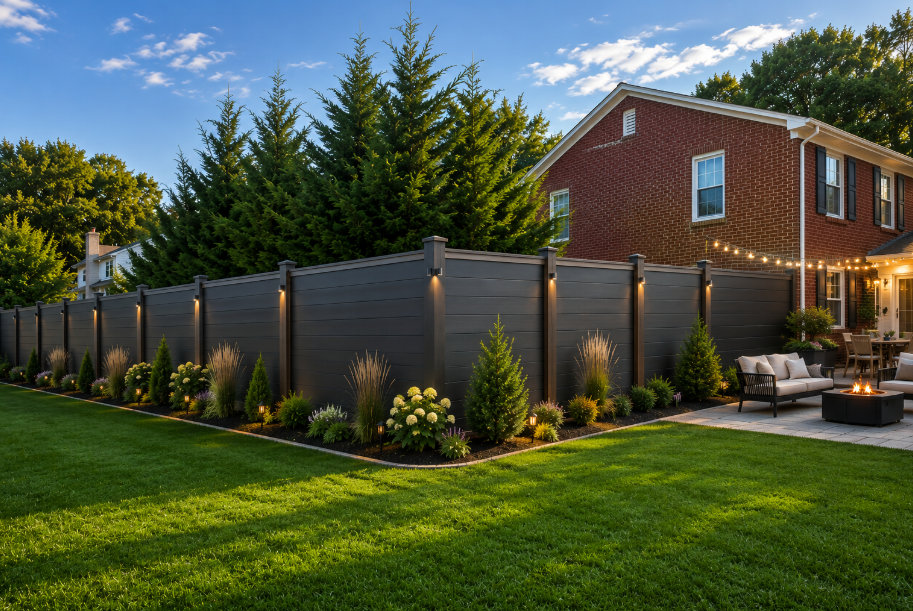
If the project includes long runs plus detailed residential areas, talk with experienced fence installers who understand both rural and residential needs. Skilled wood fence builders can make a front section look polished, while field fencing can handle the larger acreage more efficiently.
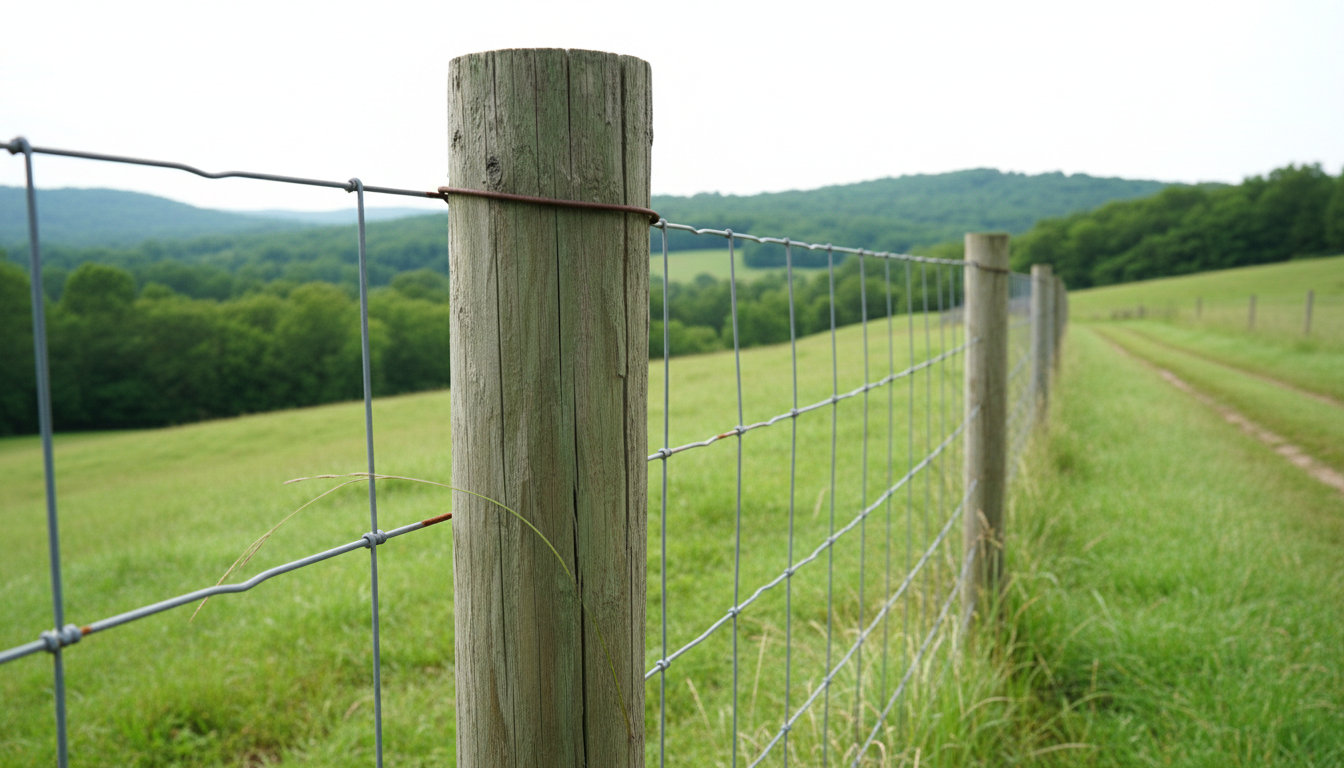
Different fence materials can work together on one property.
Build the budget around the full layout
Large-property fencing is often priced by linear foot, but the final cost depends on more than distance. Budget for the parts of the project that add real time and materials.
Key cost factors include:
- Total linear footage
- Number and size of gates
- Corner braces and end posts
- Terrain and soil conditions
- Tree and brush clearing
- Removal of old fencing
- Material choice
- Access for equipment
- Custom sections near the home or entrance
Phasing can also help. If the whole property is too large to fence at once, plan the most important areas first. Many owners start with livestock containment, pet areas, driveway control, or privacy near the house. Later phases can connect pastures, woods, and back boundaries.
Work with a local team before finalizing the plan
A large fence installation in Augusta County VA should be walked in person before the final quote. Photos and maps help, but they do not show every slope, washout, root system, or access issue.
A local fence company can also recommend post spacing, brace assemblies, gate placement, and material options that fit the land. If you are comparing bids, make sure each fences contractor is quoting the same layout, materials, gate sizes, and removal work. Otherwise, the lowest number may not cover the same scope.
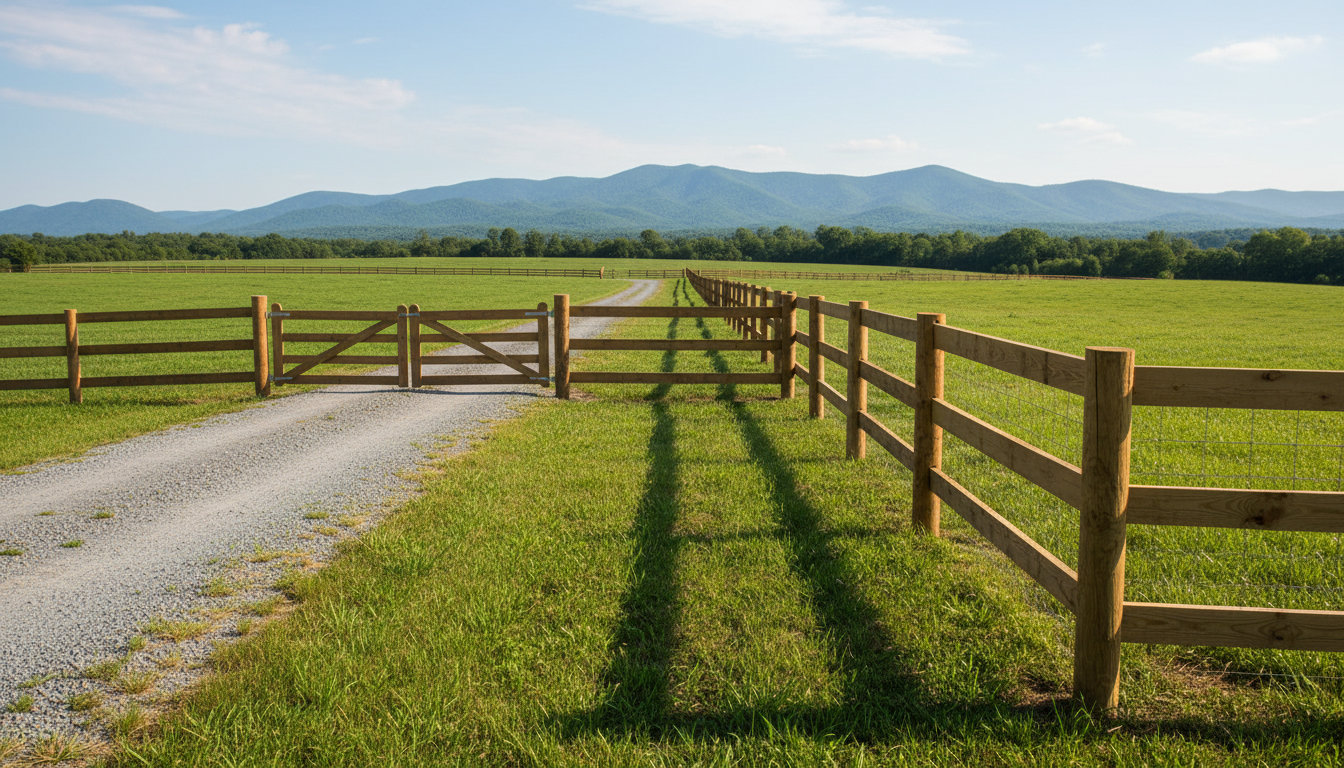
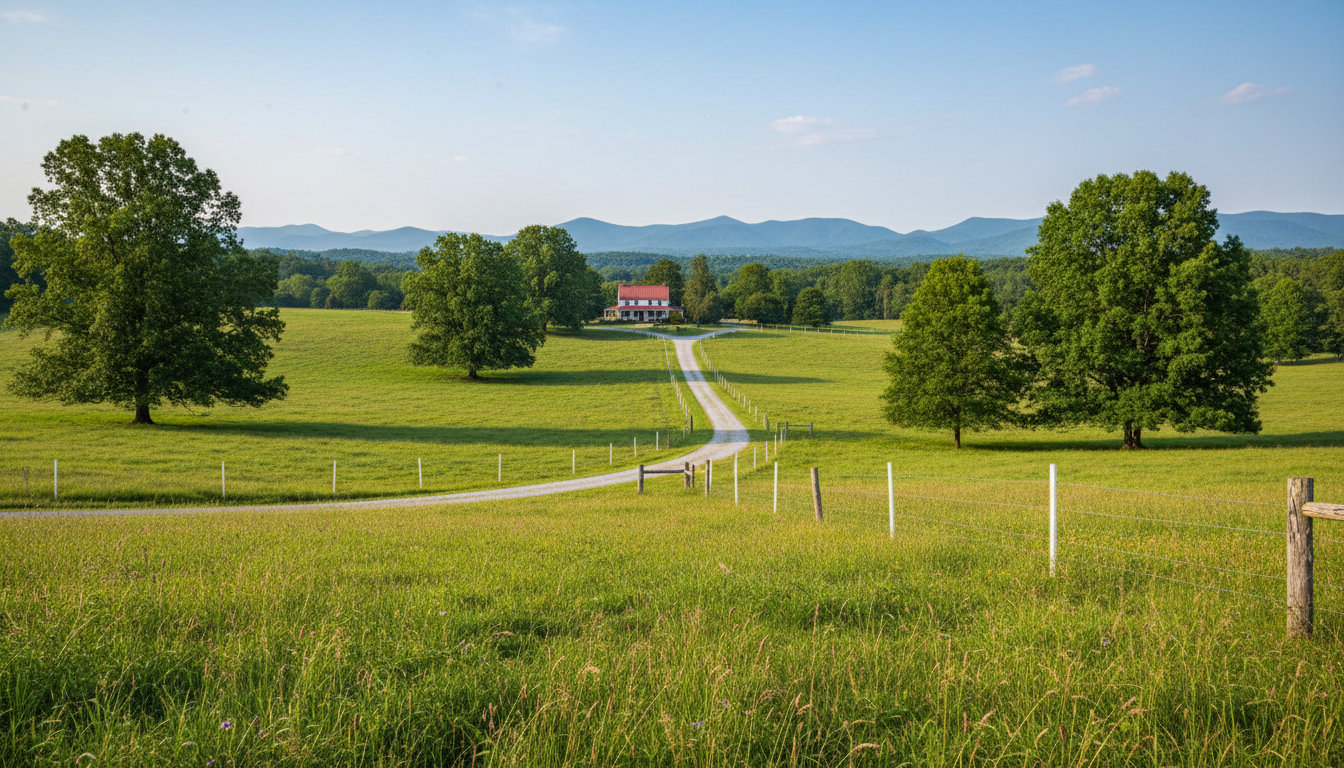
A finished fence should match the land and how it is used.
For help planning fence work across acreage, pastures, driveways, and privacy areas, visit Fortress Fence Works to review local fencing options and request guidance for your property.
A well-planned fence should fit the land, support daily use, and hold up over time. Start with the layout, confirm the rules, choose materials by zone, and plan gates before the first post is set.
Targeted keywords: fencing company, fence installers, fences contractor, privacy fence installer, local fence company, fence work, wood fence builders, fence installation Augusta County VA, farm fencing Augusta County, pasture fence installation, residential fencing Virginia, property line fencing, gate installation Augusta County
Modern Fence Designs in Staunton, VA for Stylish Outdoor Spaces
Professional Fence Installers in Staunton VA Handle Challenging Terrain with Ease
Fence Layout for Backyard Security in Staunton VA: Smart Tips for Safer Outdoor Spaces