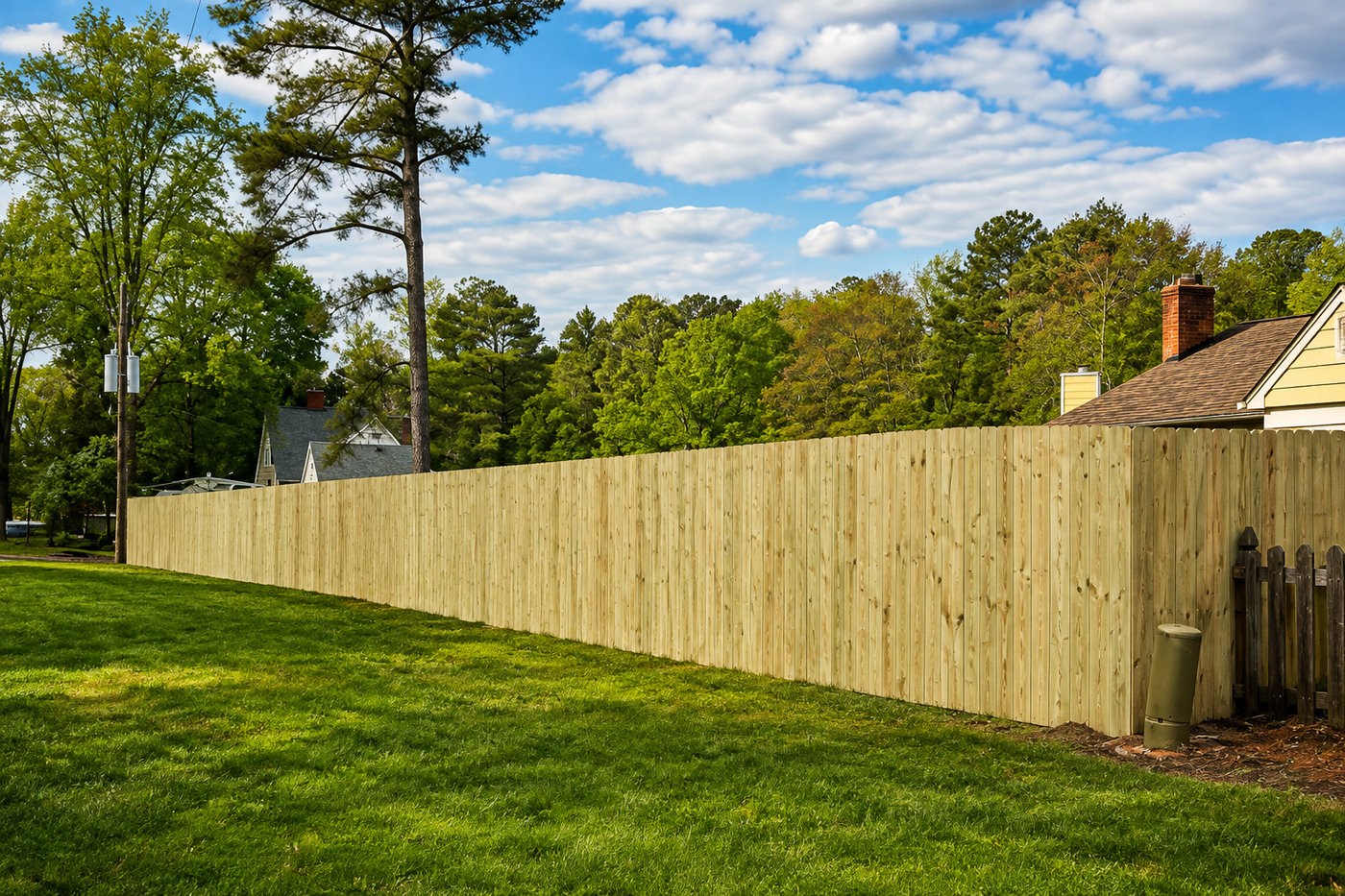
A fence can be tall, solid, and well built, but still fall short if the layout creates blind spots or easy access points. In Staunton, VA, where many homes have sloped yards, alley access, detached garages, and mature trees, backyard security often depends on where the fence goes as much as what it is made of.
A smart layout guides movement, protects private areas, keeps gates visible, and makes the yard harder to enter unnoticed. That does not mean turning a backyard into a fortress. It means planning a fence that supports daily life while adding a real layer of protection.
Start with the weak points in your backyard
The best fence layout begins with a simple walk around the property. Look for places where someone could enter, hide, or move through the yard without being seen.
Common weak points include:
- Side yards that connect the front of the home to the backyard
- Gates hidden behind shrubs, garages, or sheds
- Low fence sections near retaining walls or raised ground
- Back property lines that border alleys, wooded areas, or open lots
- Detached garages or workshops with separate access
In Staunton neighborhoods near historic streets and older lots, property shapes can be irregular. A straight fence line may look clean on paper, but it might leave awkward gaps near a driveway, outbuilding, or slope. Those spaces matter.
A good layout closes off easy entry points while keeping the areas you use most often open and practical. If the yard includes a patio, fire pit, garden, or children’s play area, the fence should protect those spaces without making them feel boxed in.
Place gates where they can be seen
Gates are often the weakest part of a backyard fence. They move, latch, and get used often, so layout matters a lot.
A backyard gate should be easy for the homeowner to reach but hard for a stranger to use unnoticed. Side-yard gates work well when they are visible from a window, driveway, or porch. A gate tucked behind dense landscaping may look tidy, but it can create a hidden access point.
For better security, plan gates with these points in mind:
- Keep the main gate visible from the house when possible
- Avoid placing gates directly behind large shrubs or sheds
- Use self-closing hinges and quality latches
- Add lighting near high-use entry points
- Make sure gate swings do not interfere with walkways or driveways
A skilled fencing company can help balance access, visibility, and code requirements, especially on lots with slopes or tight side yards.
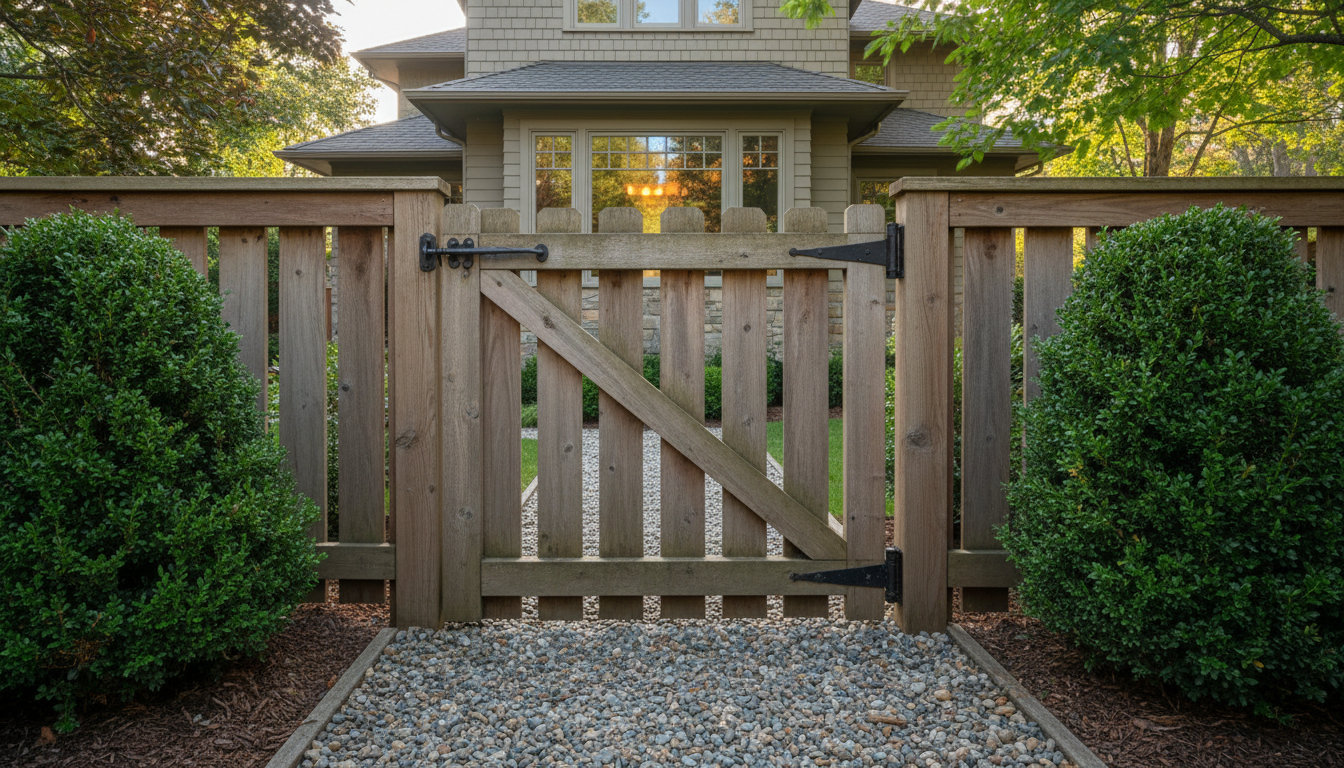
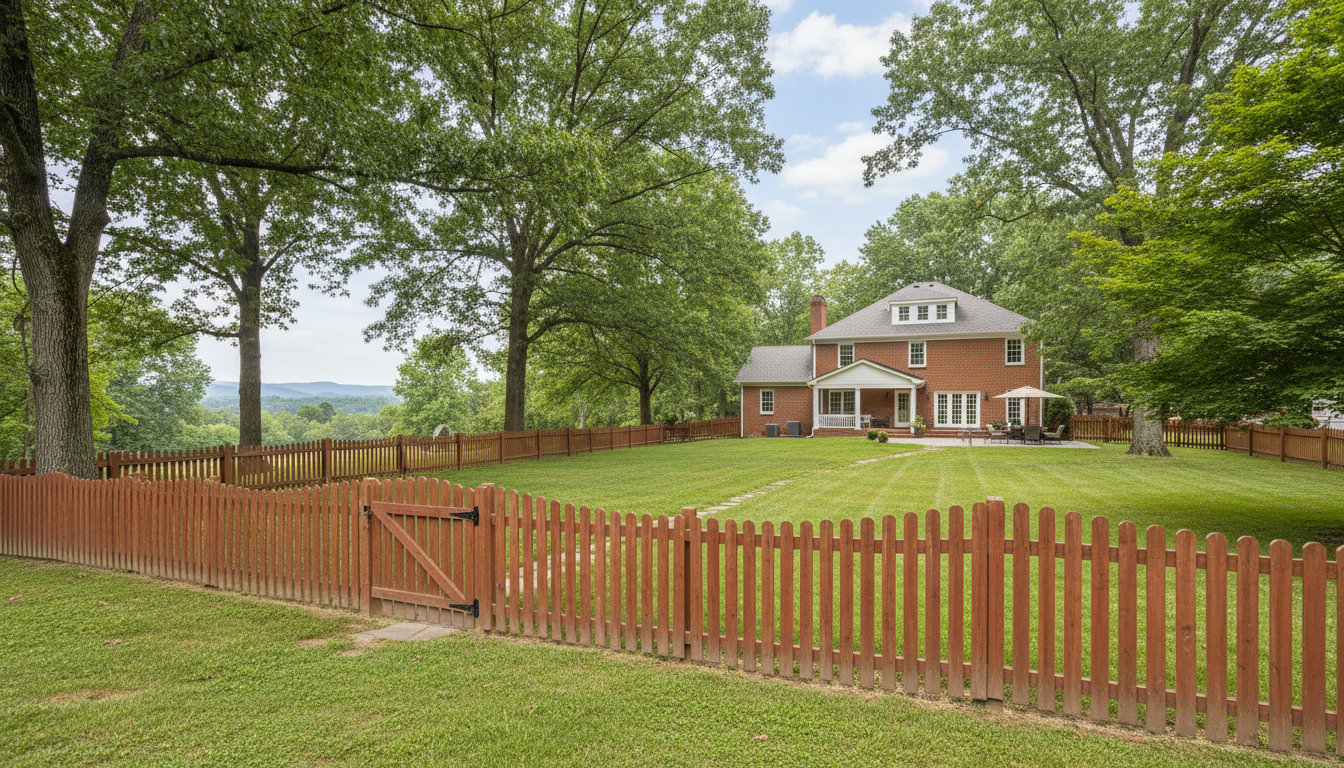
Visible gates are easier to monitor and harder to misuse.
Use the fence line to reduce hiding spots
Security is not only about keeping people out. It is also about removing places where someone can linger unseen.
Tall plants, storage bins, stacked firewood, and poorly placed sheds can create blind spots along a fence. When planning fence work, think about how the layout interacts with these features. A fence that runs directly behind a shed, for example, may create a narrow hidden corridor. Moving the fence line or adjusting storage placement can make the space easier to monitor.
Good security layouts often keep fence lines clean and simple. That may mean trimming back vegetation, leaving a clear maintenance path, or choosing a fence style that improves visibility in certain areas.
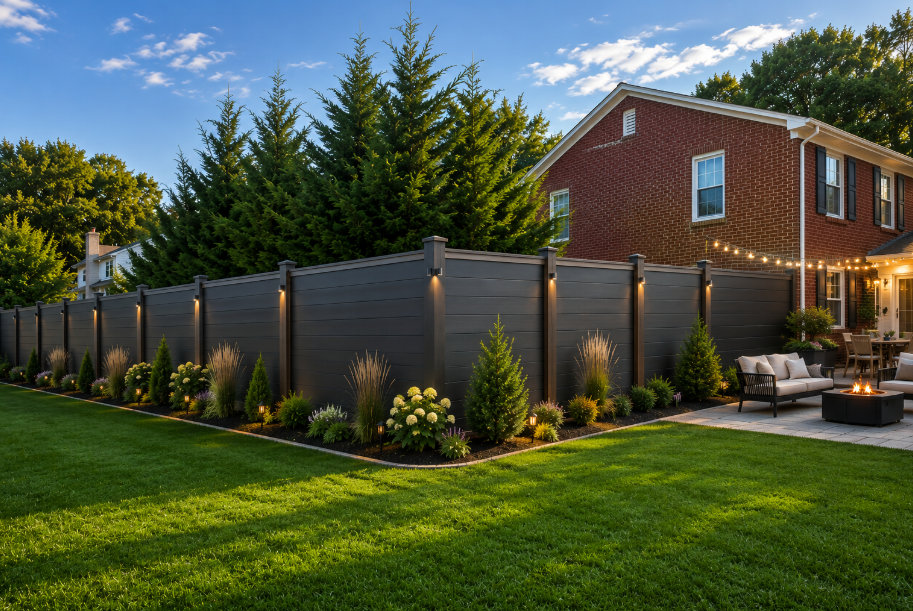
Privacy fencing is useful near patios and neighboring homes, but a full privacy fence is not always needed around every side of the yard. In some cases, a mix of privacy panels and open picket or aluminum sections works better. The private areas stay screened, while low-risk areas remain visible.
For broader crime prevention guidance, the National Crime Prevention Council offers practical home safety tips at ncpc.org.
Match fence height and style to each boundary
Not every side of the backyard has the same risk. A fence facing a quiet neighbor may not need the same design as a fence along an alley, wooded edge, or public sidewalk.
For many Staunton, VA homes, the rear property line deserves special attention. If it backs up to a lane, open space, or shared access area, a taller privacy fence can help reduce visibility into the yard and discourage casual trespassing. Along the front or side, local rules and sightline needs may call for a lower or more open style.
Wood fences remain popular because they offer privacy and a warm residential look. Vinyl can be low maintenance. Aluminum can help define a boundary while keeping views open. The right choice depends on the layout, grade, budget, and security goals.
Before digging post holes, contact Virginia 811 so underground utilities can be marked. This step matters for safety and helps prevent costly damage.
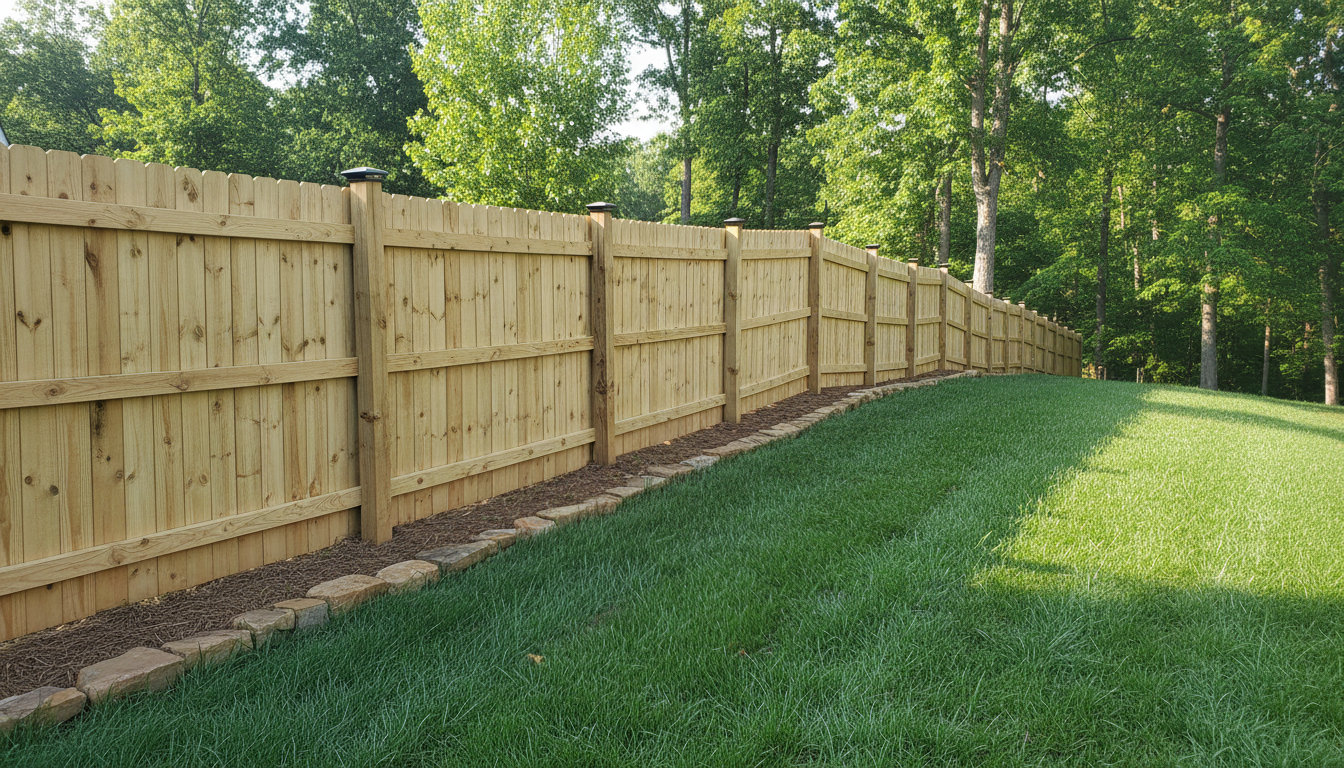
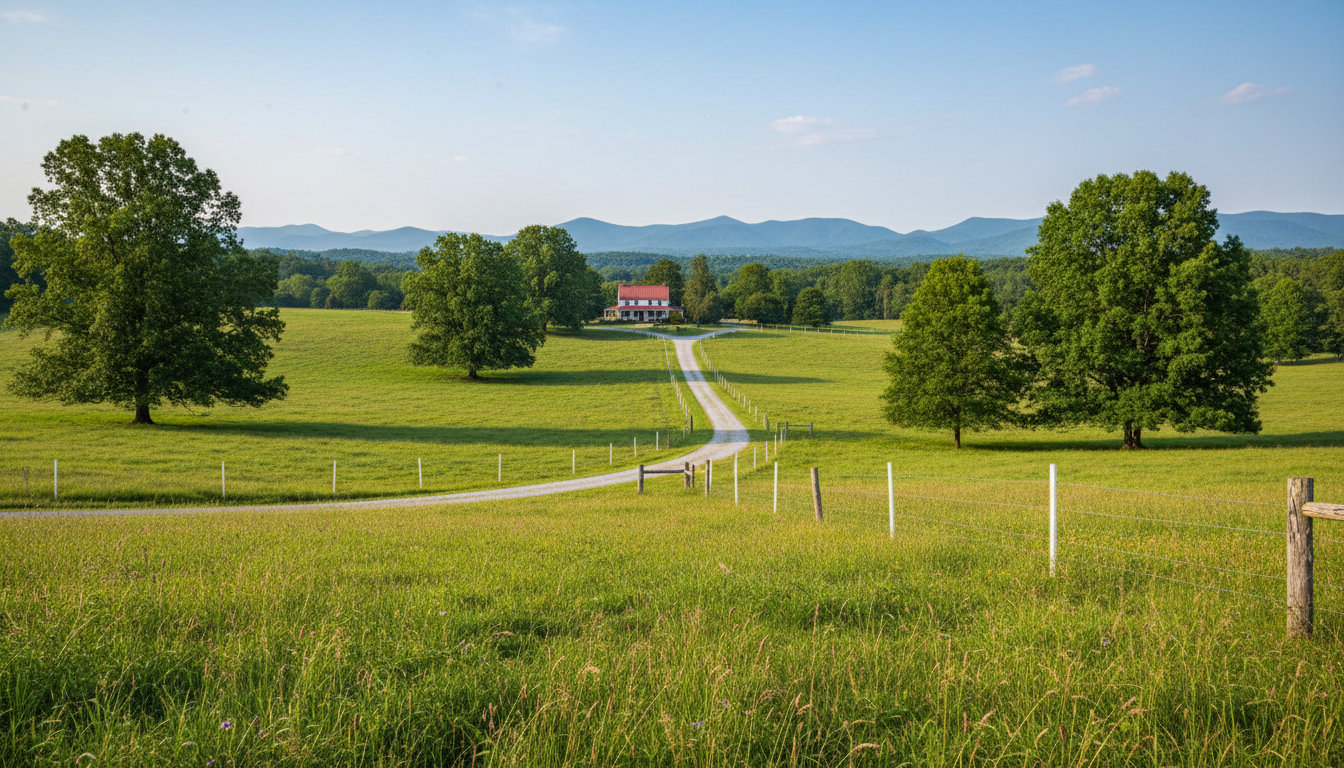
Fence height and placement should account for changes in grade.
Design corners and transitions with care
Corners can make or break a secure layout. At a corner, two fence lines meet, sightlines change, and gaps can appear if the ground is uneven. Poorly planned corners may leave crawl spaces, weak posts, or awkward angles that are hard to maintain.
Transitions also need attention. These include places where the fence meets:
- The house
- A garage
- A retaining wall
- A driveway
- A deck or patio
- A neighbor’s fence
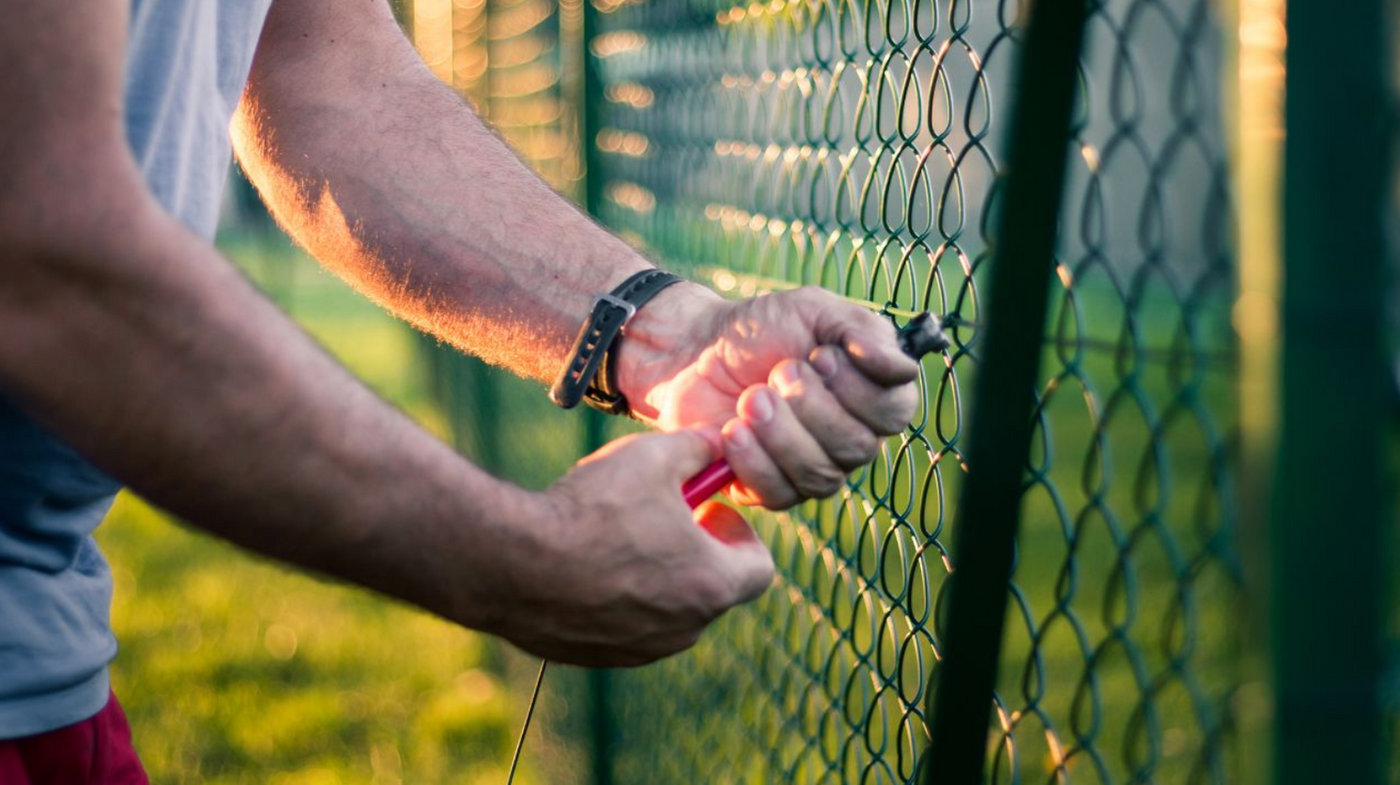
A small gap near a wall or building can become a problem. The layout should close these openings cleanly without trapping moisture against siding or blocking drainage. This is one reason experienced fence installers take measurements, slope, and existing structures seriously before setting posts.
If the yard has pets, children, or valuable outdoor equipment, these transitions become even more important. A secure fence layout should form a complete boundary, not a collection of separate panels.
Plan for lighting, landscaping, and daily use
A fence works best when it fits into the full backyard plan. Security improves when the layout supports lighting, clear walkways, and healthy landscaping.
Place outdoor lights near gates, steps, and dark corners. Keep shrubs trimmed below window height where possible. Avoid planting dense evergreens directly against gate areas. If trash bins or storage boxes sit near the fence, make sure they do not create climbing aids.
Daily use matters too. If the shortest path to the driveway is inconvenient, people may leave gates open. If a gate is too narrow for lawn equipment, panels may get damaged over time. Security depends on habits, and habits improve when the layout is easy to live with.
A local fence company can also help homeowners think through practical choices, from gate width to post placement. The best wood fence builders do more than install panels. They shape the fence around how the yard actually works.
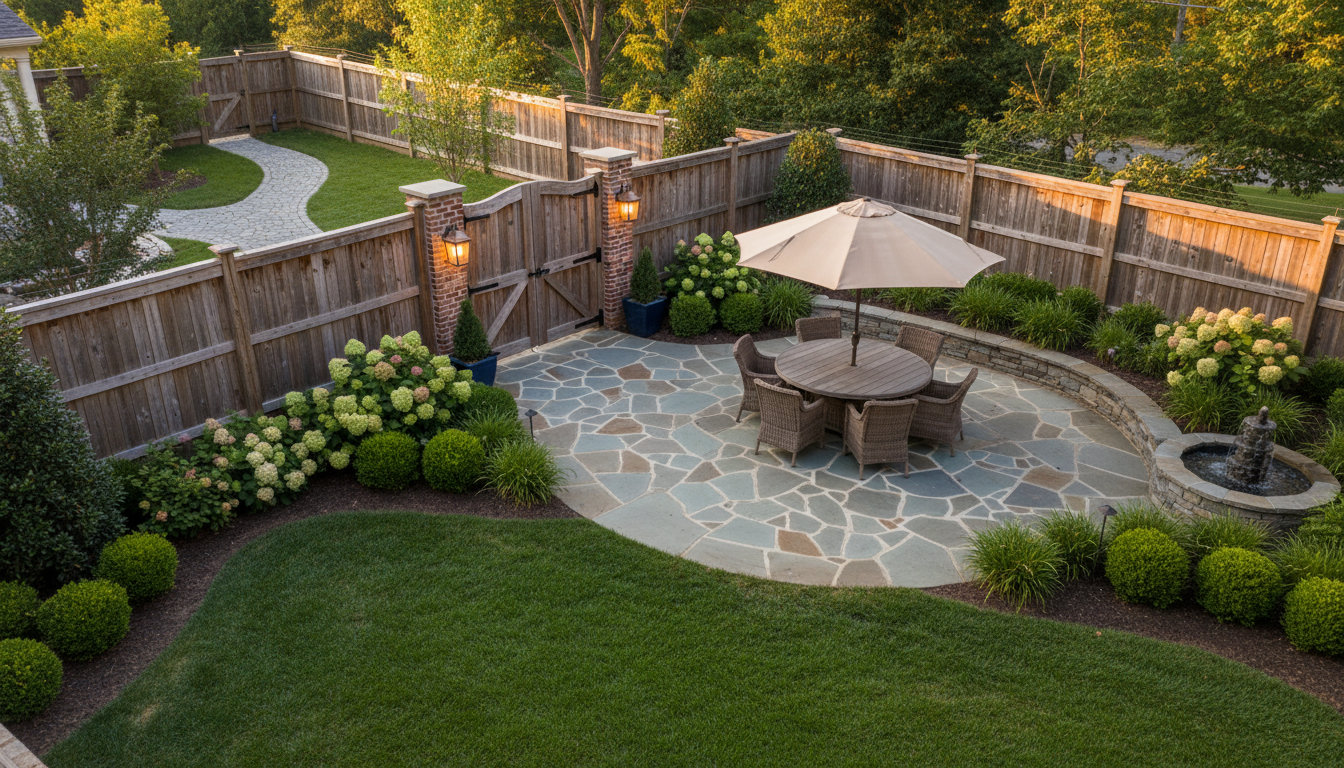
Lighting and clear paths help the fence layout support everyday security.
A safer backyard starts with the layout
A fence is a long-term part of the property, so the layout deserves careful thought. In Staunton, VA, that means accounting for slopes, older lot lines, side access, outbuildings, and the way the backyard is used every day.
The strongest approach is simple: protect the weak points, keep gates visible, reduce hiding spots, match the fence style to each boundary, and avoid gaps at corners and transitions.
For help planning secure, practical fencing for your property, visit Fortress Fence Works and review options that fit your yard, home, and security goals.
Targeted keywords: fencing company, fence installers, fences contractor, privacy fence installer, local fence company, fence work, wood fence builders, backyard security fence, Staunton VA fencing, privacy fence Staunton, residential fence layout, secure backyard fencing
Modern Fence Designs in Staunton, VA for Stylish Outdoor Spaces
Professional Fence Installers in Staunton VA Handle Challenging Terrain with Ease
How to Plan Fence Installation for Large Properties in Augusta County VA